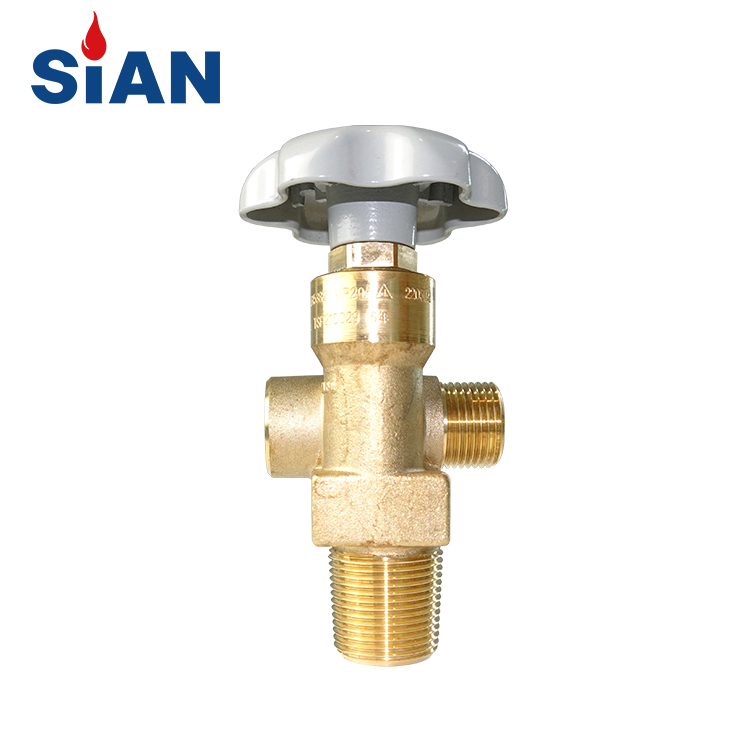
Cylinder contamination poses a persistent and silent threat to gas purity. It also compromises operational safety across many industries. Ambient air and moisture inevitably breach standard valves once cylinders empty completely. This physical intrusion creates severe operational bottlenecks. Industrial and medical gas suppliers battle escalating maintenance cycles daily. They must purge, bake, and hydro-test compromised cylinders repeatedly before refilling them. These necessary remediation steps disrupt turnaround times significantly. They also drain valuable plant resources and increase operational friction.
This technical evaluation compares traditional mechanical options against modern residual pressure technology. You will discover how automated positive pressure retention physically blocks impurities. We will explore compliance requirements, operational impacts, and practical implementation strategies in detail. Read on to determine when upgrading your cylinder fleet becomes a necessary operational step.
Key Takeaways
Contamination Prevention: RPVs automatically retain a positive internal pressure (typically 3–5 bar), physically blocking atmospheric moisture and impurities from entering the empty cylinder.
Cost Reduction: While RPVs carry a higher upfront unit cost, they eliminate the need for pre-fill cylinder purging and drastically reduce internal corrosion.
Compliance Alignment: Transitioning to RPVs aligns with stringent EIGA, CGA, and AIGA guidelines regarding cylinder safety and cross-contamination prevention.
Application Specificity: The ROI of RPVs is highest in high-purity, medical, and food-grade gas applications where contamination causes batch rejection or safety liabilities.
The Core Mechanism: Standard Industrial Gas Valve vs. RPV
Standard valves rely on a highly basic mechanical operation. Users manually open the handwheel to release stored gas. When operators drain the cylinder entirely, internal pressure drops rapidly. Eventually, the internal pressure matches the ambient environment. This equilibrium acts like an open door for contamination. Atmospheric moisture easily enters the vessel. Airborne particulates and process backflow can freely migrate into the empty container. Plant technicians must then treat the cylinder as inherently contaminated.
Conversely, a residual pressure valve integrates a specialized non-return valve (NRV) cartridge. This complex internal mechanism monitors gas flow continuously during use. Even if operators accidentally leave the main handwheel completely open, the NRV cartridge actuates automatically. It shuts off the external flow just before total depletion. This critical action traps a small gas volume inside. It maintains a positive pressure seal permanently. The outward force easily repels external air.
You must understand how the filling processes differ significantly. Filling plants cannot simply pump fresh gas backward through the NRV. Operators must utilize specific filling adapters at the manifold. These pin-type connectors mechanically depress the internal cartridge safely.
Here is how the automated shut-off sequence works:
The user draws gas for their specific application normally.
Internal pressure drops toward the pre-set threshold limits.
The integrated spring mechanism inside the NRV begins to expand.
The cartridge closes the main gas port before zero pressure occurs.
A baseline pressure remains trapped securely inside the cylinder.
Head-to-Head Evaluation: Risk, Maintenance, and Lifecycle
Evaluating both options requires looking closely at cylinder integrity. Turnaround speed at the filling plant also matters heavily.
Contamination & Cylinder Integrity
Using a standard Industrial Gas Valve carries high inherent rust risks. Moisture mixing with trace residual gases creates harsh internal conditions. Steel cylinders develop internal oxidation very rapidly under these conditions. Aluminum cylinders suffer from localized pitting over time. Fleet managers must mandate rigorous visual inspections continuously. Technicians often rely on specialized endoscope cameras. They check for internal scaling or dangerous particulate generation.
A residual pressure valve utilizes a highly effective "sealed system" approach. Maintaining continuous positive pressure stops moisture before it starts. The cylinder interior remains perfectly clean and completely dry. This proactive protection extends the vessel's operational lifespan considerably. It protects the structural integrity of the cylinder walls. Furthermore, it guarantees the absolute integrity of the next gas batch.
Turnaround Time and Operational Efficiency
Standard valves inevitably slow down overall plant operations. When empty cylinders arrive at the dock, technicians assume the worst. They assume the vessels contain ambient air and unknown trace contaminants. Plant protocols mandate strict vacuuming sequences before refilling. Operators pull a hard vacuum on each cylinder. They purge the vessel with dry gas repeatedly. This process takes significant time and delays production schedules.
RPVs enable much faster and smoother turnaround speeds. The retained internal pressure acts as a verified seal of internal cleanliness. A quick pressure check confirms the internal environment remains completely untainted. Many local quality protocols allow direct refilling based on this positive pressure reading. You can bypass the lengthy vacuum and purge stages entirely. This streamlines plant workflows dramatically during peak demand periods.
Summary Chart: Operational Workflow Comparison
Operational Metric
Standard Valve Process
RPV Process
Pre-Fill Inspection
Requires deep visual and endoscopic checks.
Requires quick positive pressure verification.
Vacuum Requirements
Mandatory deep vacuuming to remove ambient air.
Often skipped if residual pressure remains intact.
Purging Cycles
Multiple cycles needed for high-purity gases.
Drastically reduced or completely eliminated.
Internal Corrosion
High risk due to uncontrolled moisture ingress.
Near zero risk due to sealed internal environment.
Matching Valve Technology to Gas Applications
Different industries face highly unique contamination thresholds. You must match the right valve technology to specific gas properties.
High-Purity & Specialty Gases
Precision manufacturing tolerates absolutely zero atmospheric interference. Semiconductor fabrication facilities rely on absolute gas purity. Advanced welding processes require flawless shielding properties. A specialized N2/Ar/He Residual Pressure Valve proves essential here. Even parts-per-million levels of ambient moisture can ruin a weld. Trace oxygen can degrade delicate silicon wafers instantly. The positive pressure seal guarantees protection. It ensures shielding and analytical gases remain uncontaminated from the filling plant to the point of use.
Medical and Life Safety
Patient safety protocols demand flawless equipment execution daily. Biological contaminants pose severe health risks to compromised patients. Hospital-environment moisture cannot enter critical supply chains. Equipping fleets with a high-grade O2/Air/N2 Cylinder Valve featuring residual pressure capability prevents harmful ingress. It physically blocks airborne pathogens from entering empty medical oxygen vessels. Healthcare facilities prioritize this advanced technology heavily. It helps them meet strict clinical safety standards effortlessly.
Food, Beverage, and General Industrial
Hospitality environments face highly unique physical backflow hazards. Beverage carbonation systems often operate under immense pressure. If a standard valve remains open, liquid can easily back up. It flows down into the empty gas cylinder. Installing a CO2 Residual Pressure Valve solves this prevalent operational issue. It stops sticky syrups and carbonated water from fouling the cylinder interior. This simple mechanical upgrade prevents severe bacterial growth inside the vessel.
Application Suitability Matrix
Application Area
Primary Contamination Risk
Recommended Valve Type
Impact of Contamination
Semiconductor Fab
Atmospheric Moisture (ppm)
N2/Ar/He RPV
Total batch rejection, wafer degradation
Healthcare / Clinical
Pathogens, Hospital Air
O2/Air/N2 RPV
Patient harm, strict regulatory fines
Hospitality / Food
Liquid Syrup, Water Backflow
CO2 RPV
Bacterial growth, severe internal fouling
Rough Industrial
Minor Dust Ingress
Standard Valve
Minimal operational impact
Implementation Risks & Rollout Realities
Upgrading a cylinder fleet involves numerous practical considerations. Moving away from standard mechanical components requires strategic operational planning.
Rollout Realities
Fleet transition rarely happens overnight. Introducing residual pressure technology means updating plant infrastructure simultaneously. Filling stations must acquire new hardware immediately. They must install parallel plant filling adapters across the manifold. These specialized connectors must match the new pin-type valves perfectly. Running a mixed fleet temporarily demands dual filling capabilities at the plant. Technicians must accurately identify different cylinder requirements. They must know which cylinders require standard connections instantly. They must also recognize which ones need specialized adapters to avoid damaging the internal pins.
User Adoption Risk
End-users often misunderstand how the new protective mechanism works. They might observe a pressure gauge reading exactly 3 bar. However, they will notice gas stops flowing completely. Uninformed operators may mistakenly believe the equipment failed. They might assume the cylinder or regulator is physically faulty. They complain about receiving defective or under-filled products frequently. You must prioritize proactive end-user education immediately. Distribute clear instructional materials heavily. Explain the positive pressure safety feature in plain terms. Proper communication ensures smooth adoption entirely. It also minimizes frustrating false complaint tickets.
Industry Standards and Compliance (EIGA, CGA, AIGA)
Global regulatory bodies actively drive the transition toward safer cylinder mechanisms. Following their explicit guidelines reduces operational liability. It also ensures consistent best practices across regions.
Regulatory Backing
Institutions publish strict guidance regarding pressure retention. The European Industrial Gases Association (EIGA) sets rigorous European benchmarks. The Compressed Gas Association (CGA) regulates North American standards tightly. The Asia Industrial Gases Association (AIGA) oversees Eastern markets. They all strongly recommend residual pressure mechanisms for specific hazardous categories. Following AIGA and CGA technical bulletins helps mitigate severe operator liability. It demonstrates a highly proactive commitment to physical safety. Standardizing this specialized equipment aligns fleets with recognized global safety benchmarks.
Quality Assurance (ISO Standard Alignment)
Modern quality management systems prioritize deep traceability constantly. They demand batch consistency without exception. Adopting this valve technology simplifies compliance with ISO quality standards directly. ISO frameworks require rigorous gas tracking measures. They demand verified batch purity records for every delivery. A physical non-return seal provides a verifiable mechanical barrier. It stops external variables from invalidating your internal audits. Auditors view this physical safeguard very favorably. It replaces subjective human inspection steps entirely. It relies on a reliable mechanical failsafe instead. You streamline your overarching quality assurance audits significantly.
Conclusion
Shortlisting Logic
Standard valves remain highly functional for low-tier, rough-industrial gases. In applications where trace moisture causes absolutely no harm, traditional mechanisms suffice perfectly. However, residual pressure technology serves as a strictly mandatory upgrade for sensitive applications. High-purity manufacturing facilities cannot risk atmospheric interference. Medical life support systems demand pathogen-free environments continually. Food-grade fleets cannot risk syrup backflow contamination ever. Upgrading protects the cylinder and the end product simultaneously.
Next Steps
Conduct a comprehensive fleet audit today to identify your highest-risk gas categories.
Evaluate your current plant filling adapters deeply to determine necessary equipment upgrades.
Develop targeted training materials immediately to educate end-users on gauge readings.
Consult with your internal compliance officers regularly. Align your new valve selection with specific EIGA and CGA mandates.
FAQ
Q: How much pressure is left in a residual pressure valve?
A: A residual pressure valve typically retains between 3 to 5 bar (45 to 75 psi) of internal pressure. The exact retention range varies based on the manufacturer's specifications and the specific gas application. This positive outward pressure acts as a physical barrier. It ensures ambient air and moisture cannot enter the empty cylinder.
Q: Can a residual pressure valve be used on any gas cylinder?
A: Yes, but you must verify specific compatibility factors carefully. The valve's thread size must perfectly match the cylinder neck. You must also select the correct valve material. Brass, stainless steel, or chrome-plated metal must match the chemical properties of the gas. Proper material matching prevents dangerous reactive conditions.
Q: How do you refill a cylinder equipped with a residual pressure valve?
A: Refilling requires specialized filling adapters at the gas plant. These unique adapters feature an internal pin or mechanical actuator. When connected, the adapter depresses the non-return cartridge inside the valve. This safely bypasses the residual pressure mechanism entirely. It allows high-pressure gas to flow in reverse into the cylinder.
Q: Do RPVs require different maintenance than standard valves?
A: Yes. Because they contain more complex internal components, they require specific inspection protocols. Technicians must carefully inspect the non-return O-rings and internal cartridges for wear during periodic tests. Industry regulations mandate strict standard refurbishment cycles. This ensures the non-return mechanism functions reliably over the cylinder’s entire lifecycle.
Room 803, Building 1, Qianjiang Shenlan International Center, Yingfeng Street, Xiaoshan District, Hangzhou, Zhejiang 311200, China (Zip Code: 311200)

 Hot Line:+86 571 8768 0216