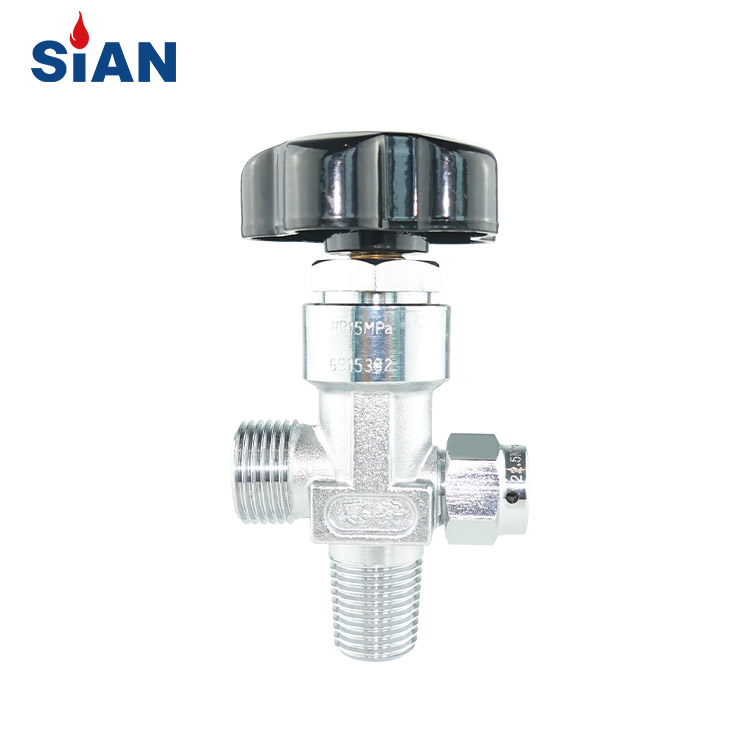
Industrial gas cylinder valves represent the single most critical point of failure in compressed gas handling. Yet, facilities frequently overlook them during routine maintenance programs. Failing to plan for an industrial gas cylinder valve replacement invites serious, immediate risks. It routinely leads to safety non-compliance, sudden operational downtime, and severe workplace hazards like rapid depressurization or toxic leaks. You simply cannot afford to ignore these small but vital pressure-control components. Every compromised seal threatens your entire facility. This article provides facility managers and safety officers with a strict, evidence-based framework. We will help you evaluate valve lifespans accurately. You will learn how to recognize early physical failure indicators before they cause accidents. Finally, we will guide you in selecting compliant replacement solutions to keep your operations secure, legal, and highly efficient.
Key Takeaways
Regulatory Alignment: Valve replacement cycles must align with mandatory hydrostatic testing intervals (typically every 5 to 10 years, depending on the gas and cylinder type).
Gas-Specific Degradation: Wear rates differ significantly based on the contents; corrosive or high-pressure gases necessitate stricter replacement schedules than inert gases.
Zero-Tolerance Damage: Any signs of cross-threading, bent handwheels, or persistent micro-leaks dictate immediate replacement—repairing damaged valves is rarely compliant or cost-effective.
Vendor Compliance: Sourcing and installing replacements requires certified partners adhering strictly to CGA, DOT, or ISO standards to maintain liability coverage and operational safety.
Key Triggers for Industrial Gas Cylinder Valve Replacement
Maintaining facility safety requires you to understand exactly when a valve reaches the end of its usable life. You cannot rely on guesswork. We must establish objective safety baselines to define this business problem clearly.
Mandatory Hydrotesting Cycles
Industry standards dictate strict intervals for cylinder inspection. Statutory hydrostatic tests usually occur every five to ten years. Technicians must remove the valve to fill the cylinder with water for expansion testing. This removal process creates the ideal, industry-standard milestone for executing a total valve replacement. Reinstalling an aging valve onto a freshly recertified cylinder introduces unnecessary operational risk. Modern best practices dictate replacing the valve during this hydrotest window to synchronize maintenance schedules.
Physical Damage & Wear Indicators
Routine visual inspections often reveal critical wear long before a mandatory test date arrives. You must train your operators to identify the following physical damage indicators:
Bent or stiff handwheels: A handwheel resisting turning usually indicates internal stem damage or galled threads. Forcing it open further damages the internal seat.
Surface degradation: Corrosion, pitting, or visible discoloration on the brass or stainless steel body points to harsh environmental exposure or chemical attack.
Performance Failures
Valves must perform flawlessly under immense pressure. Documenting persistent micro-leaks serves as your first line of defense. A valve failing to achieve a positive shut-off poses immense danger to your staff. Furthermore, you must inspect pressure relief devices (PRDs) constantly. A compromised or weeping PRD indicates a complete structural failure of the safety mechanism. Once these performance issues appear, you must swap the valve immediately.
Obsolescence & Standardization
Many facilities struggle because they operate mixed fleets containing outdated equipment. Upgrading legacy valves helps you meet current industry connection standards. Standardization prevents hazardous cross-contamination. It also stops operators from pairing incorrect regulators. Standardizing your fleet connections ensures long-term safety, regulatory compliance, and operational consistency across the factory floor.
Gas-Specific Wear Factors: Evaluating Different Valve Types
Not all gases interact with valve materials in the same way. The molecular properties and pressurized nature of specific contents directly dictate the lifespan of internal O-rings, seats, and lubricants.
High-Pressure vs. Corrosive Realities
High-pressure environments exert tremendous mechanical shear on internal components. Gases compressed to 3,000 PSI or higher force their way into the microscopic pores of elastomer seals. Rapid depressurization then causes these absorbed gases to expand instantly, tearing the O-rings apart from the inside. Corrosive gases compound this issue by actively eating away at metallic tolerances. You must adjust your maintenance schedule based on these aggressive factors.
O2/Air/N2 Cylinder Valve Requirements
Oxidizing gases present unique catastrophic risks. You must enforce extreme vigilance regarding "oxygen-clean" replacements. An O2/Air/N2 Cylinder Valve requires absolute freedom from hydrocarbon contamination. Even a microscopic drop of machine oil or combustible residue inside the valve body can lead to rapid adiabatic ignition. When high-pressure oxygen rushes past a tiny contaminant, it generates immense heat, causing a localized explosion. Always source certified oxygen-clean components.
CO2 Cylinder Valve Degradation
Carbon dioxide presents severe thermal challenges. Operators frequently underestimate the impact of thermal shock. The rapid expansion and freezing nature of carbon dioxide dramatically lowers temperatures during heavy flow rates. This extreme cold degrades internal elastomers much faster in a CO2 Cylinder Valve than in standard setups. The constant freezing and thawing cycle hardens the seals, leading to brittle fractures and sudden leaks.
Argon Cylinder Valve Integrity
Inert gases like argon dominate the welding and shielding industries. While less chemically aggressive, an Argon Cylinder Valve faces completely different threats. Fabrication shops subject these valves to harsh industrial handling. They endure physical impacts, heavy vibration, and extreme particulate contamination from grinding dust. Metal dust easily bypasses external dust caps and settles onto the internal seat. Therefore, these applications require valves engineered for maximum physical robustness rather than specialized chemical resistance.
Specialty/Corrosive Gases
Highly toxic or reactive chemicals like ammonia, chlorine, or silane demand uncompromising engineering. These gases require highly specialized stainless steel valves featuring exotic alloy diaphragms. Because chemical attack occurs constantly at a molecular level, regulatory bodies mandate much shorter, strictly enforced replacement lifecycles for these specialty setups.
Repair vs. Replacement: Making the Right Operational Decision
Facility managers often debate whether to fix a leaking valve or discard it. From a strict risk-management perspective, the decision framework heavily favors complete replacement.
The Myth of "Field Repair"
Many experienced technicians mistakenly believe they can rebuild pressure control equipment on a workbench. We must clarify this dangerous misconception. Unauthorized field rebuilding of an Industrial Gas Valve directly violates DOT and CGA safety regulations. It instantly voids your liability insurance coverage. Once you break the factory seal, you lose precision torque calibrations. A dusty maintenance shop cannot replicate the clean-room conditions required for safe assembly.
Cost-Benefit Analysis
We must compare the localized cost of a new unit against the cascading consequences of failure. A certified replacement valve represents a minor line-item expense. Conversely, a catastrophic failure triggers massive costs. Workplace injuries bring devastating human consequences and lawsuits. Toxic leaks invite massive regulatory fines from environmental agencies. Purchasing a brand-new, factory-certified component is always cheaper than funding an accident investigation.
Asset Lifecycle Management
Proactive maintenance defines successful manufacturing operations. Swapping components during scheduled hydrotesting ensures zero extra downtime. Emergency replacements, however, halt production lines unexpectedly. When you react to a failure, you pay premium freight charges for overnight shipping and lose thousands of dollars in halted manufacturing output. Smart asset management requires replacing these parts right before they fail, securing a predictable operational flow.
Compliance, Safety Standards, and Implementation Risks
Handling compressed gases requires strict adherence to international safety regulations. You must evaluate replacement procedures through an authoritative engineering lens.
Regulatory Lenses
Multiple organizations govern valve manufacturing, testing, and implementation. You must ensure full compliance with ISO 10297, which dictates rigorous type-testing parameters for cylinder valves. In North America, the Compressed Gas Association (CGA) V-9 standard outlines standard connections and dimensional requirements. Additionally, Department of Transportation (DOT) guidelines strictly regulate the transit and filling parameters of these high-pressure vessels.
The Revalving Process (SOP Overview)
Executing a safe replacement demands a highly controlled environment. Technicians must follow strict standard operating procedures:
Complete Depressurization: Technicians must evacuate the cylinder entirely and purge it with an inert gas to eliminate reactive remnants.
Safe Removal: Facilities must use dedicated fixturing and specialized wrenches to remove the old unit without warping the cylinder neck.
Thread Inspection: Inspectors utilize calibrated go/no-go gauges to verify the internal neck threads remain free of structural flaws or stretching.
Precise Torque Application: Technicians install the new unit using calibrated torque wrenches to meet exact OEM foot-pound specifications.
Mandatory Leak Testing: The assembled unit undergoes strict pneumatic leak testing under water or via mass spectrometry to verify a perfect seal.
Implementation Risks
Improper installation introduces severe hazards. You must warn your teams against mixing incompatible metals, which rapidly causes galvanic corrosion. Using incorrect thread sealants invites disaster. For example, applying standard PTFE tape on oxygen valves introduces a severe fire hazard. Finally, failing to verify the correct PRD burst pressure for the specific cylinder rating creates explosive over-pressurization risks. A mismatched PRD essentially turns a cylinder into a localized bomb.
Common Revalving Risks and Operational Consequences
Risk Factor
Operational Consequence
Preventive Action
Using incorrect thread sealant (e.g., standard PTFE on oxygen)
Catastrophic adiabatic ignition or fire during pressurization.
Only use approved, oxygen-compatible pastes or specialized oxygen-safe tapes.
Mixing incompatible cylinder and valve metals
Accelerated galvanic corrosion causing the neck threads to fail under pressure.
Match valve materials strictly to cylinder metallurgy (e.g., aluminum to aluminum).
Installing an incorrect PRD burst disk
Premature venting or catastrophic cylinder explosion during temperature spikes.
Cross-reference the PRD rating directly with the stamped DOT cylinder service pressure.
Under-torquing or over-torquing during installation
Persistent micro-leaks or sheared neck threads rendering the cylinder useless.
Mandate the use of recently calibrated torque wrenches per CGA guidelines.
How to Shortlist Revalving Partners and Procurement Vendors
Procuring high-pressure equipment requires extreme diligence. You cannot treat these components as generic commodities. You must evaluate potential vendors systematically.
Traceability and Certification
Safety begins with proper documentation. Ensure your chosen vendor provides fully OEM-traceable valves. Look for permanent heat stamps and serial numbers on the brass body. The vendor must provide documented compliance certificates for every single unit they deliver. Never purchase unbranded, undocumented pressure components from secondary online marketplaces.
Technical Expertise
Look for vendors who act as genuine engineering partners. They should not just sell parts. Superior vendors offer diagnostic support, authorized cylinder recertification, and on-site training. Strict adherence to gas-specific cleaning protocols demonstrates their technical maturity. Ask them specifically how they clean and package their oxygen-service components.
Supply Chain Reliability
Evaluate vendors based on their logistical capabilities. They must possess the ability to supply standardized valves consistently over long periods. Reliable sourcing prevents mixed-fleet complications on your factory floor. When you standardize your connections, your operators make fewer mistakes during daily regulator changeovers. Consistent supply chains lead directly to consistent safety records.
Actionable Next Step
Do not wait for a component failure to update your safety protocols. Prompt your maintenance team to audit your current cylinder fleet test dates today. Identify all cylinders approaching their five-year or ten-year hydrostatic test window. Once you isolate these assets, request a technical consultation or quote from a certified vendor for upcoming maintenance cycles.
Conclusion
Industrial gas cylinder valve replacement remains a rigid, non-discretionary safety requirement. Usage frequency, physical condition, and statutory testing cycles strictly dictate this process. You must proactively manage these replacements to protect your workforce and maintain facility compliance. Treating valves as permanent fixtures is a dangerous operational flaw.
Cutting corners on equipment quality introduces unacceptable enterprise risk. Attempting uncertified repairs on the shop floor exposes your facility to severe regulatory penalties and catastrophic accidents. Rely only on factory-certified replacements installed through strict standard operating procedures.
Take control of your facility's safety today. Direct your facility managers to contact your sales or engineering team for a comprehensive safety audit. Secure reliable, high-volume procurement channels and contract certified revalving services before your next operational shutdown.
FAQ
Q: How long does an industrial gas cylinder valve typically last?
A: Most valves last between 5 and 10 years. Industry best practices align replacement cycles directly with the cylinder's mandatory hydrostatic testing intervals. However, highly corrosive environments or heavy physical abuse will significantly shorten this lifespan, necessitating earlier replacement.
Q: Can you replace a gas cylinder valve while it is pressurized?
A: No. Attempting this is extremely dangerous and often fatal. Technicians must completely evacuate all pressurized gas, properly purge the internal volume with an inert gas, and secure the empty vessel before attempting any valve removal.
Q: Are all cylinder valves universally compatible?
A: No. Valves feature highly specific threading and connection standards (like CGA formats) designed for distinct gases. Using mismatched valves invites severe chemical reactions, improper regulator fitment, and deadly cross-contamination risks across your facility.
Q: Who is legally authorized to replace a cylinder valve?
A: Only certified technicians operating within approved DOT or CGA-compliant facilities should perform replacements. They possess the calibrated tooling, proper fixturing, and required testing equipment to ensure the new assembly meets strict legal safety margins.
Room 803, Building 1, Qianjiang Shenlan International Center, Yingfeng Street, Xiaoshan District, Hangzhou, Zhejiang 311200, China (Zip Code: 311200)

 Hot Line:+86 571 8768 0216