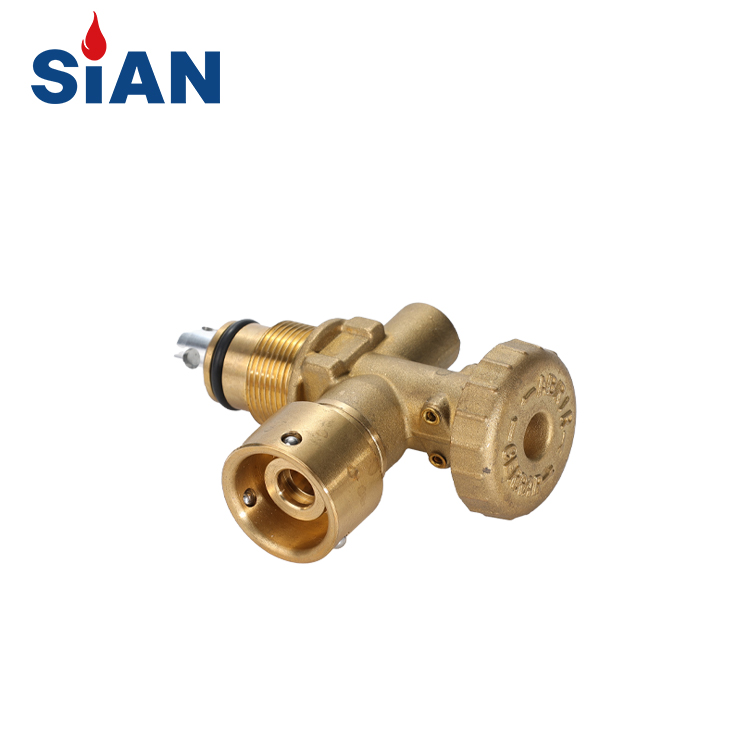
The transition from legacy steel LPG cylinders to modern composite alternatives is accelerating rapidly today. Demands for lower tare weight, advanced corrosion resistance, and visible gas levels drive this industry shift. However, upgrading the cylinder body while relying on legacy brass valves creates severe mechanical mismatches. These ongoing compatibility issues inevitably lead to compromised seals, boss stress fractures, and increased safety risks in the field. Relying on outdated hardware threatens the core advantages of adopting composite materials. A purpose-built composite cylinder valve is never just an optional accessory. It serves as a strict engineering requirement dictating the overall safety and operational lifespan of modern LPG bottles. We will explore how specialized valves ensure mechanical synergy and regulatory compliance. You will also discover the exact criteria for evaluating modern cylinder interfaces effectively.
Key Takeaways
Standard steel-cylinder valves often utilize mismatched torque requirements that can stress or fracture composite neck rings.
A high-performance composite valve utilizes specialized O-ring sealing mechanics rather than aggressive tapered threads.
Evaluating a lightweight composite cylinder valve requires strict verification against ISO 11119-3 and EN 12245 standards.
Proper valve-to-cylinder synergy prevents galvanic corrosion, particularly in high-humidity and marine environments.
Upfront procurement costs for specialized valves are offset by reduced maintenance, fewer leaks, and longer requalification cycles.
The Business Case: Why Modern LPG Bottles Require Specialized Valves
Fleet operators and distributors face a distinct operational challenge when upgrading their inventory. Using traditional heavy-duty valves on composite bodies entirely negates the primary logistical advantage of modern cylinders. The primary appeal of composite technology lies in substantial weight reduction. When you install a heavy, legacy brass block onto a lightweight frame, you create a top-heavy unit. This imbalance complicates handling for end-users and workers alike.
Logistics and payload efficiency depend heavily on component synergy. Pairing a modern composite cylinder valve with composite bottles increases payload capacity during transport. Lighter overall units allow distributors to load more cylinders per truck without exceeding legal axle weight limits. This optimized weight distribution streamlines routing and improves daily delivery volumes.
B2B distributors measure success through practical field metrics. Leak rates, maintenance downtime, and customer adoption drive operational efficiency. Valve reliability influences all these metrics directly. If a mismatched valve causes slow leaks at the neck ring, fleet managers face sudden spikes in maintenance requests. Customers quickly abandon new cylinder technologies if they experience persistent odor issues or connection difficulties. A dedicated, lightweight valve ensures your modern cylinder investment performs as promised in the real world.
Mechanical Synergy: Engineering the Perfect Cylinder-to-Valve Interface
The interface between a valve and a cylinder neck represents a highly vulnerable engineering point. Standard brass valves typically utilize NGT (National Gas Taper) threads. These tapered threads widen toward the base. As you tighten a tapered valve, it wedges into the neck, expanding outward. Steel cylinders easily absorb this outward radial stress. Composite cylinders do not. Forcing tapered threads into a composite boss frequently causes delamination or micro-cracking.
Engineers solve this by abandoning tapered threads for specialized sealing mechanisms. A high-performance composite valve typically relies on O-Ring Boss (ORB) mechanics. ORB systems feature parallel threads. They screw in smoothly until an integrated flange compresses a specialized elastomer O-ring against the cylinder neck. This downward compression creates a flawless seal. It completely eliminates the outward radial stress that damages composite fibers.
Sealing Mechanism Comparison
Feature
Tapered Thread (Legacy)
O-Ring Boss (Modern)
Sealing Method
Thread deformation and PTFE tape
Elastomer O-ring compression
Radial Stress
High (pushes outward on neck)
None (forces compress downward)
Torque Tolerance
Low (easy to over-tighten)
High (hard stop at flange)
Composite Compatibility
Poor (causes boss fractures)
Excellent (protects structural integrity)
Risk mitigation requires strict adherence to proper torque values. Over-torquing a legacy valve splits the composite boss, instantly destroying the cylinder. Under-torquing leads to insidious micro-leaks. Purpose-built valves eliminate this margin of error. The parallel threads and hard-stop flanges provide distinct tactile feedback. Technicians know exactly when the valve achieves an optimal seal, safeguarding the cylinder structure.
Durability & Corrosion Resistance in Harsh Environments
Outdoor and marine environments mercilessly expose hardware to harsh elements. Boaters and coastal residents frequently complain on industry forums about traditional valves seizing. Salty air and high humidity accelerate oxidation on standard brass components. When a valve rusts or seizes, users cannot safely connect their regulators. This operational failure ruins the user experience, regardless of how advanced the composite cylinder body might be.
Manufacturers counter this threat through careful material selection. A durable composite valve utilizes specific dezincification-resistant (DZR) brass alloys. These specialized alloys receive advanced anti-corrosive plating, typically nickel or chrome. This plating ensures the valve matches the rust-proof nature of the composite bottle. You maintain a pristine, functional connection point even after years of saltwater exposure.
Galvanic corrosion presents an invisible but severe risk. When two dissimilar metals interact in a humid environment, they form a galvanic cell. One metal rapidly corrodes the other. If a standard valve reacts with the metallic inserts of a composite neck ring, the threads decay silently. Specialized valves feature precise plating that remains galvanically neutral against common composite neck inserts. This synergy prevents unseen decay, preserving the critical seal between the valve and the bottle.
Best Practice: Always visually inspect the valve plating for flaking or pitting during annual maintenance. Intact plating prevents galvanic cells from forming.
Common Mistake: Applying abrasive wire brushes to clean valves. This strips the protective anti-corrosive plating and exposes the raw brass to salty air.
Evaluating Compliance, Safety, and Certification Standards
Purchasing valves for composite cylinders requires viewing the hardware through a strict regulatory lens. You cannot rely on general LPG certifications. The unique thermal and mechanical properties of composite materials demand specific standards. Regulatory frameworks dictate exact testing protocols to ensure public safety.
Key Industry Standards Chart
Regulatory Standard
Primary Focus Area
Relevance to Valve Integration
ISO 11119-3
Fully wrapped composite gas cylinders
Validates thread strength and fatigue resistance during cyclical pressure changes.
EN 12245
Transportable composite cylinders
Mandates extreme environmental testing, including fire resistance and impact drops.
ISO 14245
LPG cylinder valves specifications
Ensures the valve mechanism itself meets rigorous durability and leak-tightness criteria.
Safety features dictate the bottom-of-funnel (BoFu) evaluation criteria for buyers. Modern valves must incorporate specific technologies to handle emergencies. You must demand the following features:
Integrated Pressure Relief Valves (PRV): Automatically vent excess gas if internal pressure spikes due to heat.
Excess Flow Limiters: Instantly restrict gas output if the regulator shears off or a hose ruptures.
Tamper-Evident Designs: Prevent unauthorized modifications or accidental disconnections by end-users.
Ergonomic Handwheels: Allow fast manual shutoff without requiring specialized wrenches.
We must address transparent assumptions regarding system safety. Composite cylinders boast high explosion resistance. However, this safety profile relies entirely on the valve. During a fire, a composite cylinder wall gradually loses structural integrity. The overall system safety depends on the PRV activating accurately. The valve must vent internal pressure faster than the cylinder body degrades. If the PRV fails to open, the composite structure will ultimately rupture. The valve acts as the brain of the safety system.
Procurement Framework: Shortlisting Your Valve Supplier
Sourcing components requires a structured procurement framework. You cannot select an OEM based solely on localized availability. The technical demands of composite cylinders require a sophisticated manufacturing partner. When auditing a potential OEM, you must demand comprehensive documentation to verify their engineering claims.
A rigorous evaluation criteria checklist includes:
Traceability Data: Request individual batch numbers mapping back to raw brass ingots and polymer supplies.
Batch Testing Protocols: Verify they conduct randomized helium leak tests on the assembly line.
Burst Test Documentation: Review independent laboratory results confirming the valve withstands catastrophic pressure scenarios.
Implementation considerations extend beyond the cylinder itself. You must assess compatibility with existing automated filling station equipment. Modern filling plants use pneumatic clamps that grip the cylinder neck. If a lightweight composite cylinder valve features an irregular exterior profile, it will jam the automated filling heads. Standardized neck rings and predictable valve dimensions ensure seamless integration into high-speed filling lines.
Next-step actions should prioritize real-world validation. Before committing to bulk B2B procurement, structure a limited pilot test. Request technical drawings and 3D CAD models from the supplier. Run these models past your filling station engineers. Once verified, order a small batch of valves. Install them on your composite bottles and cycle them through your filling, transport, and recovery loops. This physical pilot test exposes ergonomic friction points before you scale the rollout.
Conclusion
Investing in purpose-built valves for modern composite cylinders stands as a necessary structural decision, never a discretionary upgrade. Relying on legacy hardware introduces mechanical stress, accelerates corrosion, and jeopardizes overall system safety. The right valve ensures your cylinders remain lightweight, durable, and fully compliant with global safety mandates.
Take these actionable next steps:
Audit your current inventory to identify any mismatched tapered valves installed on composite bodies.
Review your procurement specifications against ISO 11119-3 and EN 12245 compliance requirements.
Request a technical consultation or a CAD compatibility check from an established OEM supplier today.
FAQ
Q: Can I use a standard LPG valve on a composite cylinder?
A: No. Standard LPG valves use tapered NGT threads designed for steel. Forcing them into a composite cylinder creates extreme outward radial stress. This torque mismatch causes the composite neck ring to crack or delaminate. Using standard valves voids manufacturer warranties and invalidates crucial safety certifications like EN 12245.
Q: How does a lightweight composite cylinder valve affect automated filling?
A: It integrates seamlessly if engineered correctly. Purpose-built lightweight valves feature standardized external dimensions and ergonomic handwheels. This design ensures pneumatic clamps on automated filling heads can grip the neck ring securely without jamming or misaligning during high-speed production cycles.
Q: What is the expected lifespan of a durable composite valve compared to the cylinder?
A: A high-quality plated valve generally matches the mandatory requalification cycle of the cylinder, typically lasting 5 to 10 years depending on local jurisdiction. However, harsh marine environments require strict annual inspections to ensure the O-rings and anti-corrosive plating remain intact.
Room 803, Building 1, Qianjiang Shenlan International Center, Yingfeng Street, Xiaoshan District, Hangzhou, Zhejiang 311200, China (Zip Code: 311200)

 Hot Line:+86 571 8768 0216