Gas cylinder valves are designed according to the properties of the gas they control, the cylinder structure, and the conditions of use. Although many valves may look similar, they are not automatically interchangeable.
Oxygen gas cylinder valves stand out due to their specialized safety and control features, making them essential for medical and industrial applications. Oxygen supports combustion, operates in high-pressure cylinders, and requires careful control of contamination, sealing, and gas flow.
Valves used for nitrogen, argon, helium, carbon dioxide, and other gases may have different material, pressure, connection, and safety requirements. Understanding these differences helps gas suppliers, healthcare providers, manufacturers, and maintenance teams select the correct valve for each application.

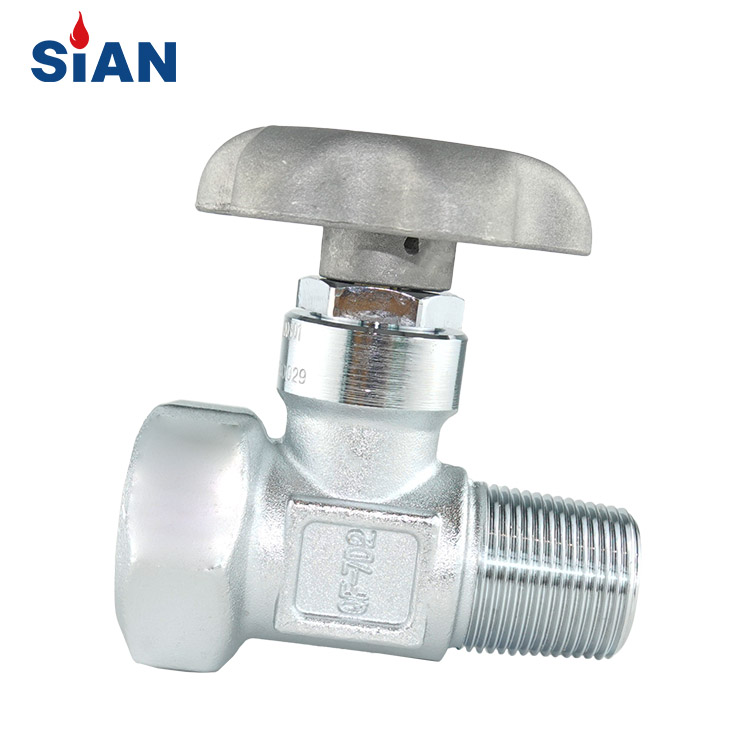
SiAN QF-7D2 oxygen gas cylinder valve. View the official product page for model-specific specifications.
Why Oxygen Valves Require Special Attention
Oxygen is not flammable by itself, but it strongly supports combustion. Materials that may be acceptable in ordinary gas service can become unsafe if they contain oil, grease, organic residue, or other contaminants when exposed to pressurized oxygen.
For this reason, oxygen valve selection involves more than checking whether the valve can withstand pressure. The valve must also be suitable for oxygen service, correctly cleaned, properly sealed, and compatible with the cylinder and downstream equipment.
The requirements may also differ between industrial oxygen and medical oxygen. Industrial systems may be used for cutting, welding, metal processing, or laboratory work, while medical systems may require additional controls related to cleanliness, patient safety, flow regulation, and healthcare equipment compatibility.
Material Composition and Oxygen Compatibility
Material selection is one of the most important differences between oxygen cylinder valves and valves used for other gases. Oxygen valves commonly use oxygen-compatible brass or stainless steel, depending on the product design and application. The alloy, surface condition, sealing components, and manufacturing process should be evaluated together.
The key issue is not simply whether a material is strong or corrosion-resistant. It must also perform safely in pressurized oxygen service and avoid creating unnecessary ignition risks. Components should be free from oil, grease, and other substances that could react in an oxygen-enriched environment.
Valves for inert gases such as nitrogen, argon, or helium may use brass, stainless steel, aluminum, or other suitable materials. However, material suitability still depends on the gas, pressure, temperature, purity, and intended use. A material suitable for one gas service should not automatically be approved for oxygen.
Pressure Rating and Cylinder Compatibility
Oxygen cylinders are commonly filled and stored at high pressure, so the valve must match the cylinder’s rated working pressure. The exact value varies according to the cylinder, valve model, market requirements, and applicable technical standard.
SiAN’s official oxygen product pages provide model-specific information. For example, the QF-7D2 model 08-857-712 is listed for O₂/Air/N₂ service with a 15 MPa working pressure, a PZ27.8 inlet thread, and a G5/8-INT outlet connection. These specifications apply only to that model.
Other gas cylinder valves may have different pressure ratings and connection configurations. A nitrogen or argon valve may be designed for a similar pressure range, but that does not make it automatically suitable for oxygen. The gas service and technical documentation must be checked before substitution.
Pressure rating also needs to be distinguished from delivery pressure. The cylinder valve controls access to the stored gas, while a pressure regulator normally reduces the pressure to the level required by medical equipment or an industrial process.
Residual Pressure and Contamination Control
Some oxygen cylinder valves are equipped with a residual pressure function. A residual pressure valve, or RPV, helps maintain positive pressure inside the cylinder after use. This can reduce the risk of air, moisture, and external contaminants entering the cylinder when the pressure falls.
An RPV is not included in every oxygen valve, and its design and performance depend on the specific model. It should therefore be treated as a model-specific feature rather than a standard function of all oxygen cylinder valves.
Even when an RPV is used, correct handling remains essential. The valve outlet should be protected from dirt and moisture, and the cylinder should not be opened or modified by unqualified personnel.
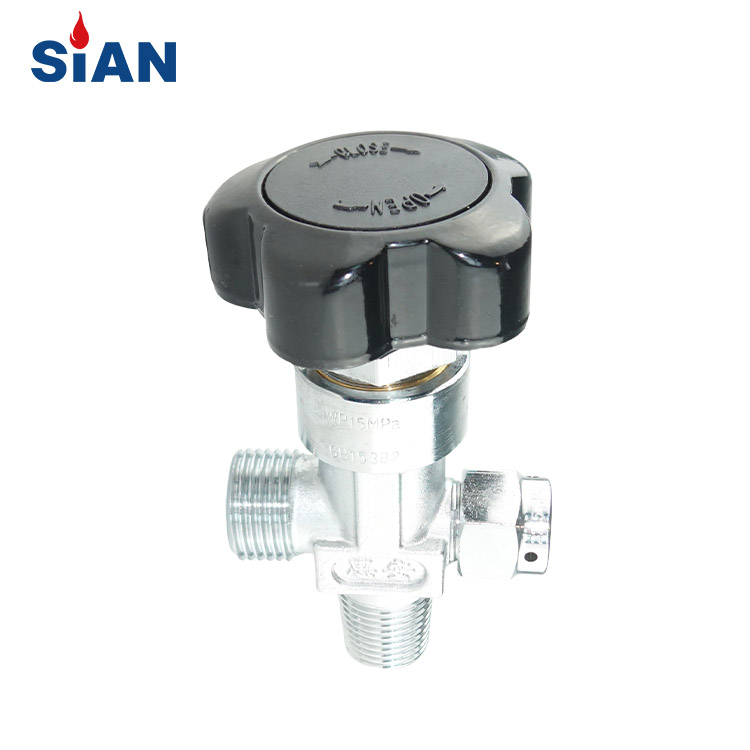
SiAN QF-21A diaphragm type oxygen gas cylinder valve. Its pressure, connection, and safety specifications are listed on the official product page.
Flow Control in Medical and Industrial Systems
Oxygen gas cylinder valves are responsible for opening, closing, and isolating the gas supply. Precise delivery is normally achieved by the regulator, flow meter, needle valve, or medical gas control equipment connected downstream.
In healthcare settings, oxygen must be supplied at a flow rate appropriate for the patient and treatment equipment. Integrated flow meters and precision regulators can help deliver oxygen accurately to meet clinical requirements, but these functions should not be attributed to the cylinder valve unless they are specifically included in the product design.
In industrial applications, oxygen may be used for cutting, welding, combustion support, oxidation processes, or laboratory operations. Flow control remains important, although the required accuracy and control method depend on the equipment and process.
For inert gases such as nitrogen, helium, or CO₂, flow regulation remains important but is typically less critical than in oxygen therapy scenarios. Nevertheless, an incorrect flow rate can still affect welding quality, laboratory results, pressure stability, or production efficiency.
Purity, Cleaning, and Sealing Requirements
Oxygen purity is affected by the gas source, cylinder, filling process, valve, regulator, hose, and connected equipment. The valve must provide effective sealing and should not introduce contaminants into the gas path.
Oxygen-service components require careful cleaning and handling. Lubricants, metal particles, dust, and organic residues can create safety risks when exposed to pressurized oxygen. Only materials and maintenance products approved for the intended oxygen service should be used.
Valves for nitrogen, argon, helium, or carbon dioxide also need to prevent leakage and contamination, but their cleaning and material requirements may differ according to the gas and application. This does not mean that other gas valves have no safety requirements; it means that each gas service must be evaluated according to its own hazards and operating conditions.
Standards and Certification
Oxygen gas cylinder valves may be manufactured according to national or international standards, but compliance must always be verified for the specific model and market.
SiAN’s QF-7D2 oxygen cylinder valve is listed with the GB15382-2009 production standard. Its QF-21A model is also listed for O₂/Air/N₂ service with a 15 MPa working pressure, specific inlet and outlet threads, a model-specific safety-device range, and GB15382-2009.
These specifications do not automatically apply to every oxygen valve supplied by the manufacturer. Certification and compliance documents should be checked against the exact product model, configuration, pressure rating, connection, and intended application.
Medical oxygen systems may also require additional approvals or documentation depending on the country, healthcare institution, cylinder standard, and equipment connection. Buyers should request the relevant datasheet, technical drawing, installation instructions, test report, declaration of conformity, operating-temperature information, and applicable certification before purchase.
How to Select the Correct Oxygen Cylinder Valve
The first step is to identify the gas service and application. Confirm whether the valve will be used for industrial oxygen, medical oxygen, oxygen-enriched air, or a combined O₂/Air/N₂ application.
Next, check the cylinder neck thread, outlet connection, working pressure, nominal diameter, valve type, and installation direction. These details must match the cylinder and downstream regulator. Visual similarity is not sufficient for confirming compatibility.
The material, sealing components, oxygen-cleaning requirements, residual pressure function, safety device, and operating-temperature range should then be reviewed. If the valve will be used in a medical or high-purity system, the required cleanliness and documentation should be confirmed before ordering.
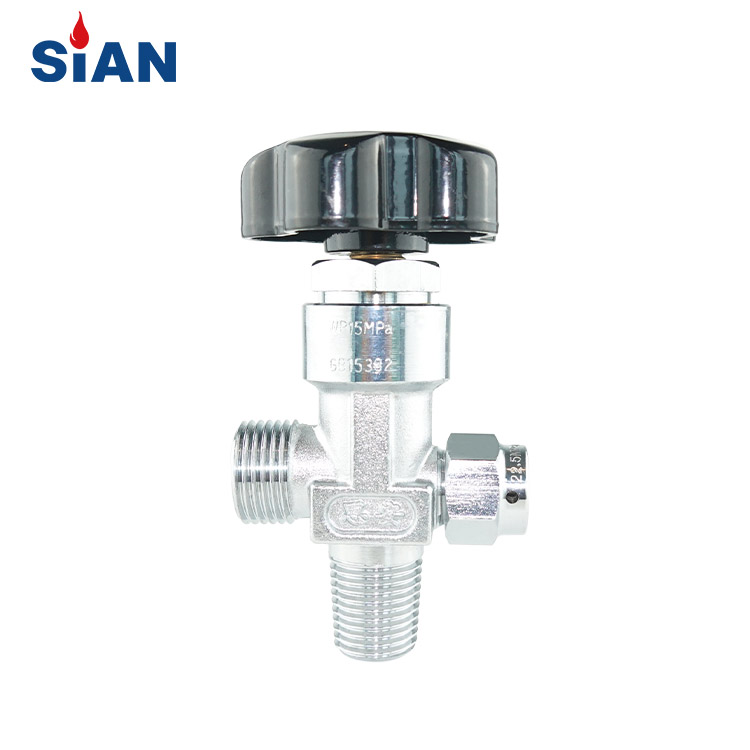
Another SiAN oxygen and nitrogen gas cylinder valve configuration for industrial gas-cylinder applications.
A suitable valve is the one that matches the complete gas system. Choosing a model only because it has the correct thread or pressure rating may still create problems if the gas service, sealing material, or certification scope is unsuitable.
Installation and Maintenance
Oxygen valves should be installed by trained personnel using the manufacturer’s instructions. Before installation, inspect the valve, cylinder connection, threads, seals, and outlet for damage or contamination.
Do not use oil-based lubricants, unapproved sealants, or incompatible fittings. Avoid impact, excessive tightening, unauthorized modification, and rapid uncontrolled opening of the valve. The gas system should be tested for leakage after installation.
Cylinders must be secured and stored in a suitable, ventilated area away from heat, sparks, oil, grease, and combustible materials. If a valve becomes difficult to operate, shows visible damage, or fails a leak test, it should be removed from service and inspected by qualified personnel.
SiAN Oxygen Gas Cylinder Valve Solutions
SiAN, operated by Ningbo Fuhua Valve Co., Ltd., supplies industrial gas cylinder valves, medical gas valves, and related products. Its official O₂/Air/N₂ cylinder valve range includes needle-type, diaphragm-type, axial-connection, and other valve configurations.
Product specifications vary by model. Customers should provide the gas type, cylinder standard, working pressure, inlet thread, outlet connection, temperature, application, and required safety or certification documents so the correct configuration can be confirmed.
Frequently Asked Questions
Can a valve for nitrogen or argon be used for oxygen?
Not automatically. The valve must be verified for oxygen service, including its materials, cleaning condition, sealing components, pressure rating, and applicable documentation.
Do all oxygen cylinder valves include a residual pressure valve?
No. Residual pressure functions are model-specific and must be confirmed in the product datasheet.
Does the oxygen cylinder valve control the final delivery flow?
Usually, the cylinder valve provides shut-off and gas isolation, while a downstream regulator, flow meter, or control device manages the final delivery pressure and flow.
What pressure rating should an oxygen valve have?
The correct pressure rating depends on the cylinder, valve model, local requirements, and application. For example, SiAN lists some O₂/Air/N₂ models at 15 MPa, but this value should not be applied to every oxygen valve.
Conclusion
Oxygen gas cylinder valves differ from other gas cylinder valves because oxygen service requires careful control of pressure, materials, cleanliness, sealing, and contamination risk. Oxygen supports combustion, so the valve and connected components must be suitable for the intended service and handled correctly.
The correct choice depends on the complete configuration, including the gas, cylinder, pressure, connections, regulator, operating environment, safety functions, and certification documents. Visit SiAN Valves to explore oxygen gas cylinder valve solutions and request model-specific technical information for your application.

 Hot Line:+86 571 8768 0216


